Overtrading: 7 Signs You're Doing It and How to Stop
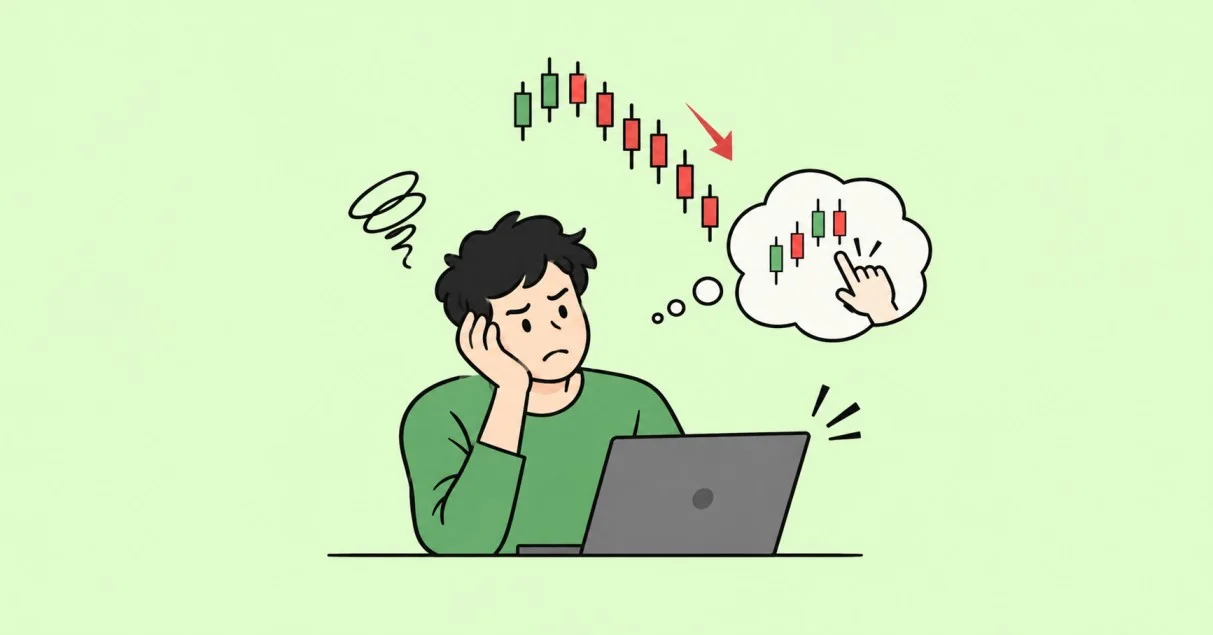
It's 10:30 AM. You've already taken a trade, but it didn't go as planned. Your stop-loss got hit.
You sit in front of the screen, feeling frustrated. You tell yourself, "It's okay. I'll wait for the next setup."
A few minutes later, the market starts moving again. You see a candle forming, and suddenly you feel like you're missing an opportunity. You enter another trade.
That trade doesn't go well either.
Now you're irritated. You want to recover your loss before the session ends. So you start looking for another entry, even when the setup isn't really there.
And just like that, your entire trading plan goes out of the window.
This is how overtrading often begins.
It's not always about taking too many trades. Sometimes, it's about losing control of your decisions because of FOMO, frustration, boredom, or overconfidence.
Let's understand what overtrading means, how to recognise its warning signs, and what you can do to stop repeating the same behaviour.
What Is Overtrading?
Overtrading happens when you take trades without following your trading strategy, predefined rules, or risk limits.
For example, imagine you planned to take only the setups that match your strategy. But after an initial loss, you start entering positions just to recover your money.
You aren't waiting for confirmation anymore. You're reacting to every market movement.
That's overtrading.
But there's something important to understand here.
Taking many trades doesn't automatically mean you're overtrading.
Some intraday trading strategies naturally involve multiple entries. If those trades follow your strategy and risk management rules, the number of trades isn't necessarily a problem.
The real issue is when you start breaking your own rules.
You enter because you're bored. You chase a moving price because of FOMO. You take another position because you don't want to accept a loss.
That's when trading discipline starts slipping.
7 Signs You're Overtrading
Overtrading doesn't always happen suddenly. It often develops through small decisions that seem harmless at the time.
Here are seven signs you should watch out for.
1. You Keep Trading After a Loss
You take a trade, and your stop-loss gets hit.
Instead of accepting the loss, you immediately start looking for another opportunity.
Your mind says, "One good trade and I'll recover everything."
You enter again, sometimes without checking whether the setup is valid.
This is one of the most common signs of overtrading.
The problem isn't taking another trade after a loss. The problem is entering because you want your money back rather than because your strategy gives you a valid reason.
2. You Enter Trades Because of FOMO
Imagine the market suddenly starts moving in one direction.
You see a strong green candle and feel that you're missing a great opportunity.
You quickly enter, even though your planned entry hasn't appeared.
This is FOMO, or Fear of Missing Out.
You start chasing price movements instead of waiting for your setup.
Sometimes, the market reverses shortly after your entry. Now you're frustrated, and you start looking for another opportunity.
Remember, you don't need to participate in every market movement.
Missing a trade is not the same as losing money.
3. You Trade Even When There's No Clear Setup
You open your charts, but nothing matches your strategy.
The market is moving sideways. Your indicators aren't giving a clear signal. There's no proper confirmation.
Still, you feel like taking a trade.
So you start finding reasons to enter.
Maybe the price is near support. Maybe there's a small breakout. Maybe momentum looks strong.
You're no longer waiting for your setup. You're trying to create one.
If you frequently enter trades without a clear reason, it's worth reviewing your trading behaviour.
4. You Take More Trades After a Winning Trade
Overtrading isn't always connected to losses.
Sometimes, a profitable trade creates overconfidence.
You make a good entry, book your profit, and start feeling that you've understood the market perfectly.
Now you want another trade. Then another.
You become less selective and start taking setups that you would normally avoid.
A winning trade can make you feel confident, but it doesn't mean every upcoming opportunity is worth taking.
Your trading rules should remain the same whether you're winning or losing.
5. You Trade Because You're Bored
Let's be honest. Waiting is difficult.
Sometimes the market offers no good opportunity for an hour. You're watching charts, checking different stocks, and waiting for something interesting to happen.
Eventually, boredom takes over.
You enter a trade just to stay active.
But trading isn't about being busy throughout the session. It's about recognising opportunities that match your plan.
Not trading is also a decision.
6. You Ignore Your Daily Loss Limit
Before starting your session, you decide that you won't take further trades after reaching a particular loss limit.
But when that limit is reached, you start making excuses.
You think the next trade might recover everything.
You ignore your original decision and enter another position.
This is a serious warning sign.
A daily loss limit is useful only when you respect it. If you keep changing your boundaries during the session, your risk management plan loses its purpose.
7. You Finish the Day Wondering Why You Took So Many Trades
At the end of the session, you check your trading history.
You notice several extra trades. Some had no proper setup. A few were taken after a loss, while others came from boredom.
You start asking yourself:
"Why did I take so many trades today?"
If this question keeps coming up, don't ignore it.
Your trading history can reveal patterns that are difficult to notice while you're actively watching the market.
Why Do Intraday Traders Overtrade?
Now that you know the warning signs, let's understand what's happening behind those decisions.
Overtrading is often connected to trading psychology. You may know your strategy perfectly, but controlling your emotions during a live market is a different challenge.
Here are four common reasons.
FOMO: The Fear of Missing an Opportunity
The market never stops offering price movements.
There will always be another stock moving, another breakout forming, or another candle catching your attention.
The problem starts when you believe every movement is an opportunity you must take.
You become impatient and enter without proper confirmation.
The solution is to remember that missing a trade doesn't mean losing money. Sometimes, waiting is the better decision.
Revenge Trading: Trying to Recover a Loss
A losing trade can affect your next decision more than you realise.
You feel irritated. You don't want to finish the day with a loss. You start looking for opportunities to recover the amount.
This is revenge trading.
Instead of analysing the next setup independently, you allow your previous trade to influence it.
You might even increase your position size or ignore your stop-loss.
The first step is accepting that a loss is part of trading. You don't need to recover it immediately.
Boredom: Trading Just to Stay Active
Not every market session gives you a clear opportunity.
But sitting quietly and waiting can feel uncomfortable, especially when you're watching charts throughout the day.
You start searching for trades simply because you have nothing else to do.
This is why having predefined trading hours and entry conditions matters.
Your job isn't to take a trade every time the market moves.
Overconfidence: Believing You Can't Be Wrong
After a few successful trades, you may start feeling unusually confident.
You become less selective, take additional positions, and sometimes ignore signals that don't match your expectations.
Overconfidence can also make you underestimate risk.
A good trading day doesn't mean every upcoming trade deserves your attention.
Stay consistent with your rules, whether you're winning or losing.
How to Stop Overtrading: 7 Practical Steps
Recognising overtrading is one thing. Changing the habit is another.
You don't need to completely change your trading strategy overnight. Start by making your decisions more structured.
1. Create a Trading Plan Before the Market Opens
Don't wait until the market starts moving to decide what you should do.
Before the session, write down your basic trading rules.
For example:
- Which stocks or instruments are you planning to watch?
- What type of setup are you waiting for?
- What are your entry and exit conditions?
- How much are you willing to risk?
- What is your maximum daily loss?
- Under what conditions will you stop trading?
Keep these rules simple.
When the market becomes emotional, your written plan can help you remember what you originally intended to do.
2. Set a Daily Loss Limit
Decide how much you're comfortable losing before starting your trading session.
Once that limit is reached, stop trading for the day.
Don't change it because you think the next opportunity looks perfect.
A daily loss limit can help you establish a clear boundary between acceptable risk and emotional decision-making.
The important part is following that boundary consistently.
3. Define Your Entry Conditions
Before entering a trade, ask yourself one simple question:
"Does this trade match my strategy?"
If the answer is no, don't enter just because the market is moving.
You can create a small checklist:
- Is there a valid setup?
- Does the entry match my trading rules?
- Is the stop-loss defined?
- Is the risk acceptable?
- Am I entering because of analysis or emotion?
If you cannot explain why you're entering a trade, take a step back.
4. Take a Break After an Emotional Trade
Sometimes, the best thing you can do after a frustrating trade is walk away from the screen.
You don't have to find another opportunity immediately.
Take a short break. Drink some water. Relax your mind.
If you've just experienced a loss, give yourself time to process it before considering another entry.
The purpose isn't to avoid trading after every loss. It's to prevent one emotional decision from controlling the rest of your session.
5. Track Your Trading Mistakes
Here's something many traders overlook.
They carefully record their entry price, exit price, and profit or loss, but forget to record why they took the trade.
This makes it difficult to identify behavioural patterns.
Start noting mistakes such as:
- Entered without confirmation.
- Took a trade because of FOMO.
- Tried to recover a previous loss.
- Ignored my trading rules.
- Continued trading after reaching my daily limit.
- Took a trade because I was bored.
After a few sessions, review your notes.
You may notice that certain situations repeatedly lead to unnecessary trades.
That's useful information for improving your trading behaviour.
6. Review Your Trading Session Every Day
Don't close your trading platform and forget everything that happened.
Spend a few minutes reviewing your decisions.
Ask yourself:
- Did I follow my trading plan?
- Did I take any unnecessary trades?
- Which trades were driven by emotions?
- Did I respect my daily loss limit?
- What should I avoid repeating tomorrow?
You don't need a complicated analysis.
A simple and honest review can help you understand your behaviour over time.
7. Maintain a Trading Journal
If you want to work on overtrading seriously, start maintaining a trading journal.
A trading journal isn't just about recording profits and losses. It's also about understanding the decisions behind each trade.
Record your entry, exit, setup, reason for taking the trade, emotions, and mistakes.
This helps you look beyond the final result.
For example, a profitable trade taken without following your rules is still worth reviewing. Similarly, a losing trade that followed your strategy isn't automatically a bad decision.
The goal is to understand whether you're following a repeatable process.
If you're new to journaling, read our guide on how to maintain a trading journal for intraday trading.
How Save Your Trade Can Help You Track Overtrading
Knowing your mistakes is important, but remembering every decision after a busy trading session isn't easy.
This is where a structured trading journal can help.
Save Your Trade offers tools that can help you review your trading behaviour and maintain better discipline.
Here are three features that are particularly relevant when dealing with overtrading.
Daily Loss Limit
You can set a daily loss boundary to keep your risk limits visible and make it easier to review whether you've respected your predefined limits.
It gives you a clear reference point when reviewing your trading session.
Trading Rule Setting
You can define your trading rules and use them as a reference when reviewing your decisions.
For example, you can establish rules about valid entries, risk management, and when to stop trading.
Having your rules clearly defined can help you recognise when you're moving away from your plan.
Mistake and Discipline Tracker
This is particularly useful when you're trying to understand why you overtrade.
You can track mistakes and review your discipline instead of focusing only on profit and loss.
Over time, this may help you recognise repeated patterns, such as revenge trading, unnecessary entries, or ignoring your predefined rules.
The idea isn't to take more trades or chase profits. It's to understand your behaviour and make more thoughtful trading decisions.
A Simple Daily Checklist to Avoid Overtrading
Before you finish your trading session, go through this checklist.
- ☐ Did I follow my trading plan?
- ☐ Did I enter only when my setup was valid?
- ☐ Did I avoid chasing market movements?
- ☐ Did I respect my daily loss limit?
- ☐ Did I avoid revenge trading?
- ☐ Did I stop trading when I had no valid opportunity?
- ☐ Did I record my mistakes?
- ☐ Did I review my decisions honestly?
You don't need every trading day to be perfect.
What matters is recognising when you break your rules and understanding why it happened.
Frequently Asked Questions About Overtrading
Is taking too many trades always overtrading?
No. The number of trades alone doesn't determine whether you're overtrading. If multiple trades follow your strategy and predefined rules, they aren't necessarily overtrading. The problem is taking unnecessary trades or breaking your trading plan.
How many trades should an intraday trader take per day?
There is no universal number. It depends on your strategy, market conditions, risk tolerance, and trading plan. Decide your trading limits based on your approach rather than copying another trader's frequency.
What is the biggest reason behind overtrading?
There isn't one single reason. FOMO, revenge trading, boredom, frustration, and overconfidence are common triggers. Understanding which emotions influence your decisions is an important first step.
How can I control my emotions while trading?
Start with a predefined trading plan, clear risk limits, and specific entry conditions. Take breaks after emotional trades and maintain a journal to review your decisions. Understanding your trading psychology can also help. Read more about trading psychology.
Can a trading journal help reduce overtrading?
A trading journal can help you identify unnecessary entries, emotional decisions, and repeated mistakes. By reviewing your trading history regularly, you can become more aware of the situations that trigger overtrading.
Should I stop trading completely after a loss?
Not necessarily. A single loss doesn't mean you must stop trading for the day. However, if you're feeling frustrated, taking trades to recover money, or have reached your predefined daily loss limit, stepping away is a sensible decision.
Final Thoughts
Overtrading is not always about taking too many trades. It's about losing control of the decisions behind those trades.
One day, it may happen because of FOMO. Another day, it may happen because you're trying to recover a loss. Sometimes, you simply get bored waiting for the right opportunity.
The important thing is to recognise the pattern.
Start with a simple trading plan. Set your daily limits. Record your mistakes. Review your decisions honestly.
And remember one thing: you don't have to trade every market movement to be a disciplined trader.
Sometimes, the best trading decision is to close your charts and wait for another day.
This article is for educational purposes only and should not be considered financial or investment advice.